
A bold mental health awareness campaign designed for the places people can't skip, scroll past, or ignore.
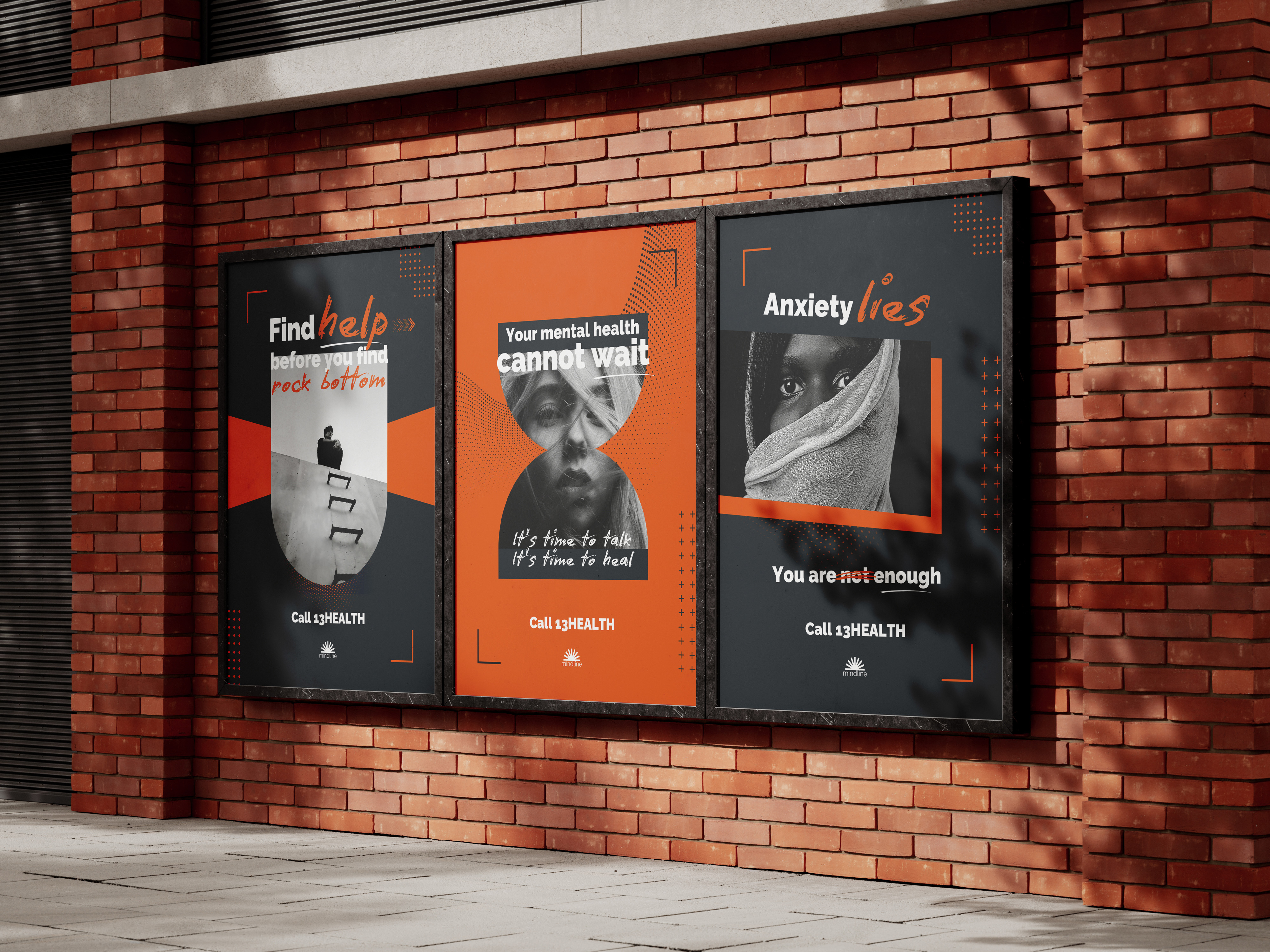
Graphic Design
Sole graphic designer
Health & wellness, social impact
Photoshop, Canva
2023
Mindline is a conceptual mental health awareness campaign built on a simple idea: mental health should be talked about as openly and compassionately as physical health.
Designed primarily for high-traffic outdoor environments — train stations, bus stops, subways, and billboards — it puts the message where people can't opt out of seeing it. The same visuals translate seamlessly to social media, extending the campaign's reach into digital spaces without losing any of their impact.
In a category dominated by soft palettes and gentle messaging, Mindline takes the opposite approach. Bold, direct, and deliberately uncomfortable to overlook.
The creative direction started with a single question: what does it actually take to make someone pause on a mental health message?
Outdoor environments are unforgiving. A commuter on a platform has three seconds, maybe less. There's no algorithm serving the right content to the right person — the design has to earn attention from everyone walking past, regardless of whether they're looking for it. That constraint shaped every creative decision: maximum impact, minimum words, nothing that blends into the background.
The brief called for something that felt urgent without feeling alarming. The messaging was stripped back deliberately — when the subject matter is this important, too many words become their own form of noise. The goal was one idea, communicated immediately, with enough emotional weight to make someone stop and feel something.
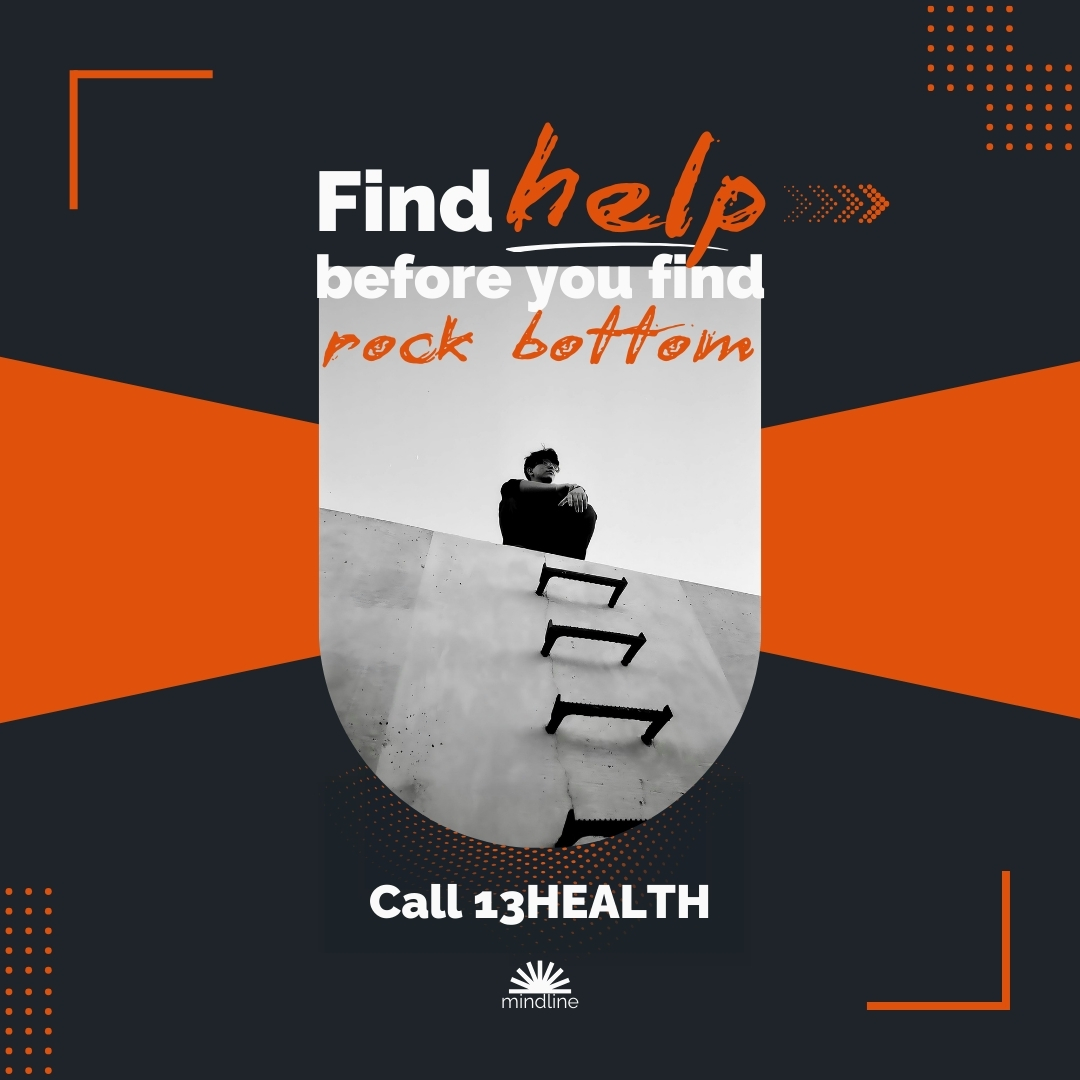
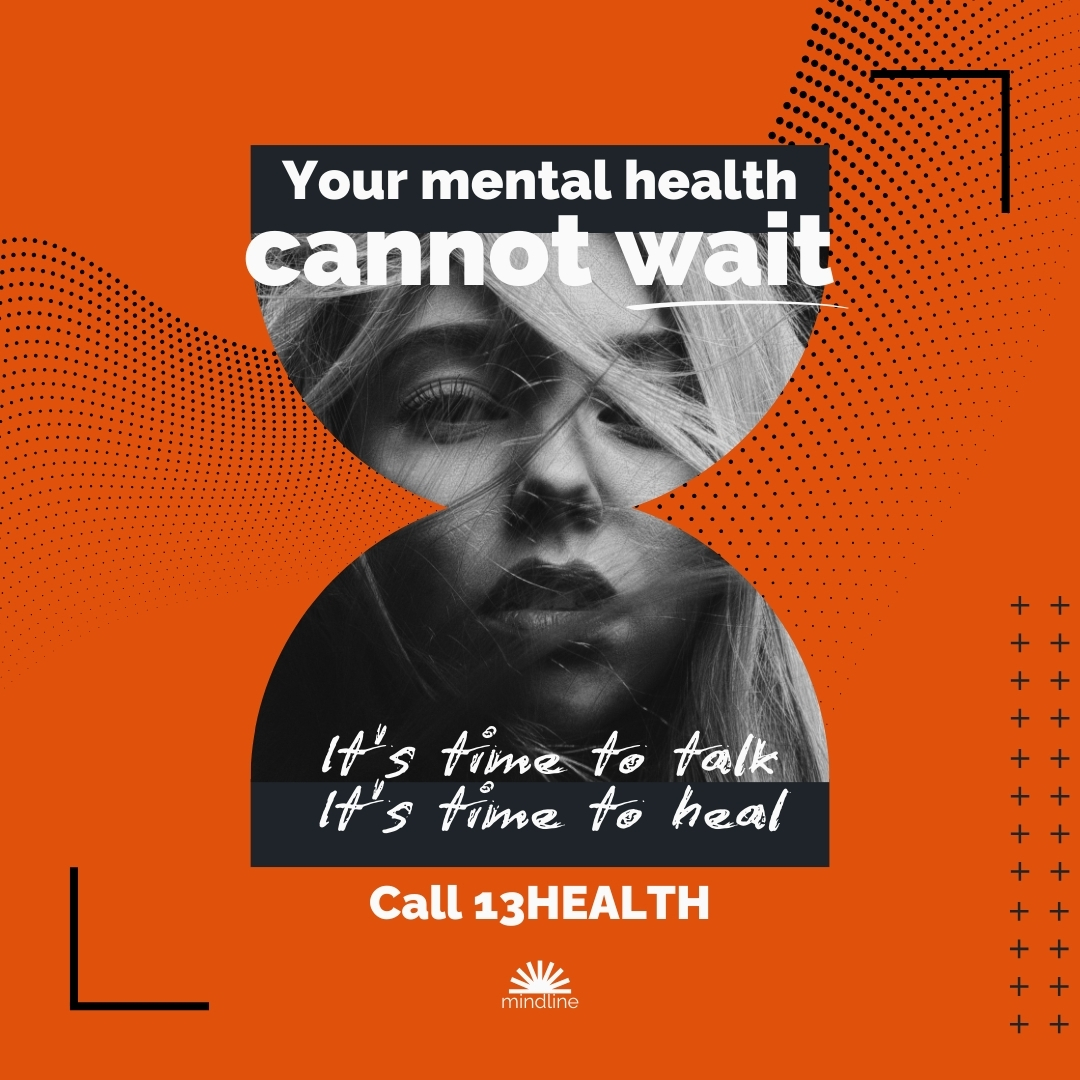
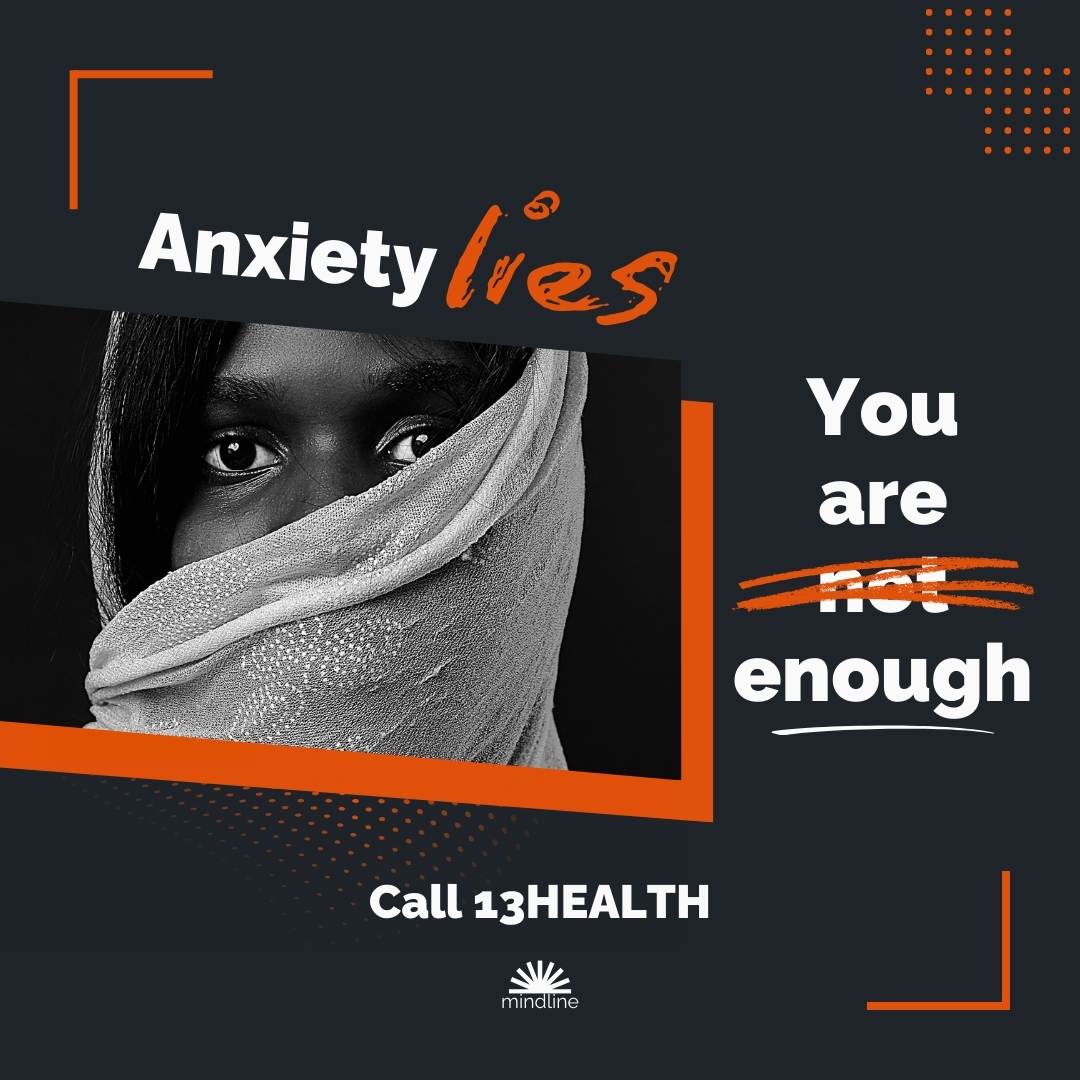
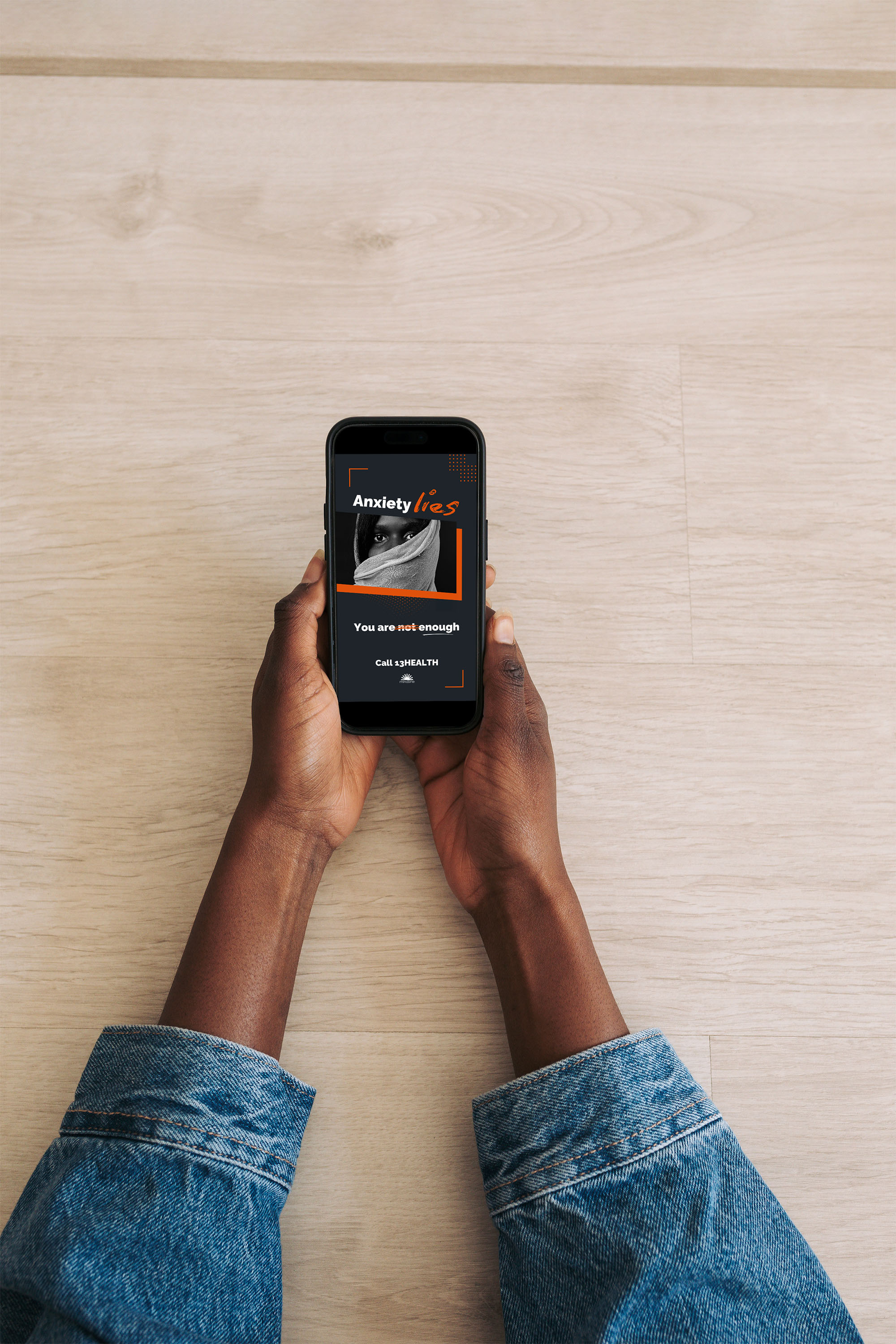
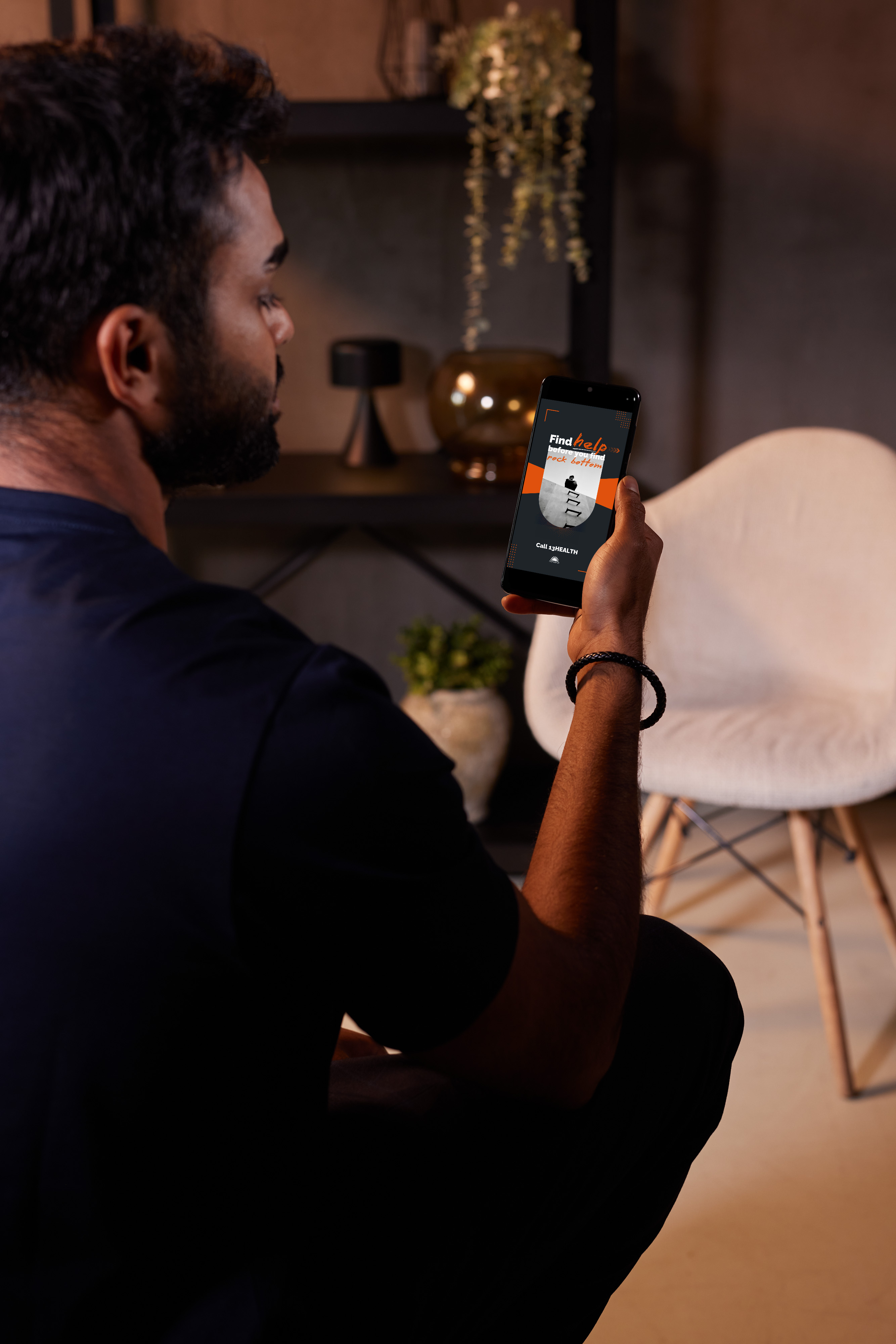
The final campaign delivers a suite of high-contrast visuals built around the orange-red and black palette — each leading with a single, stripped-back message designed to land in seconds. No clutter, no softening, no compromise on the core idea.
The outdoor applications — bus stop signage, subway placements, and large-format billboards — demonstrate how naturally the campaign scales across environments.
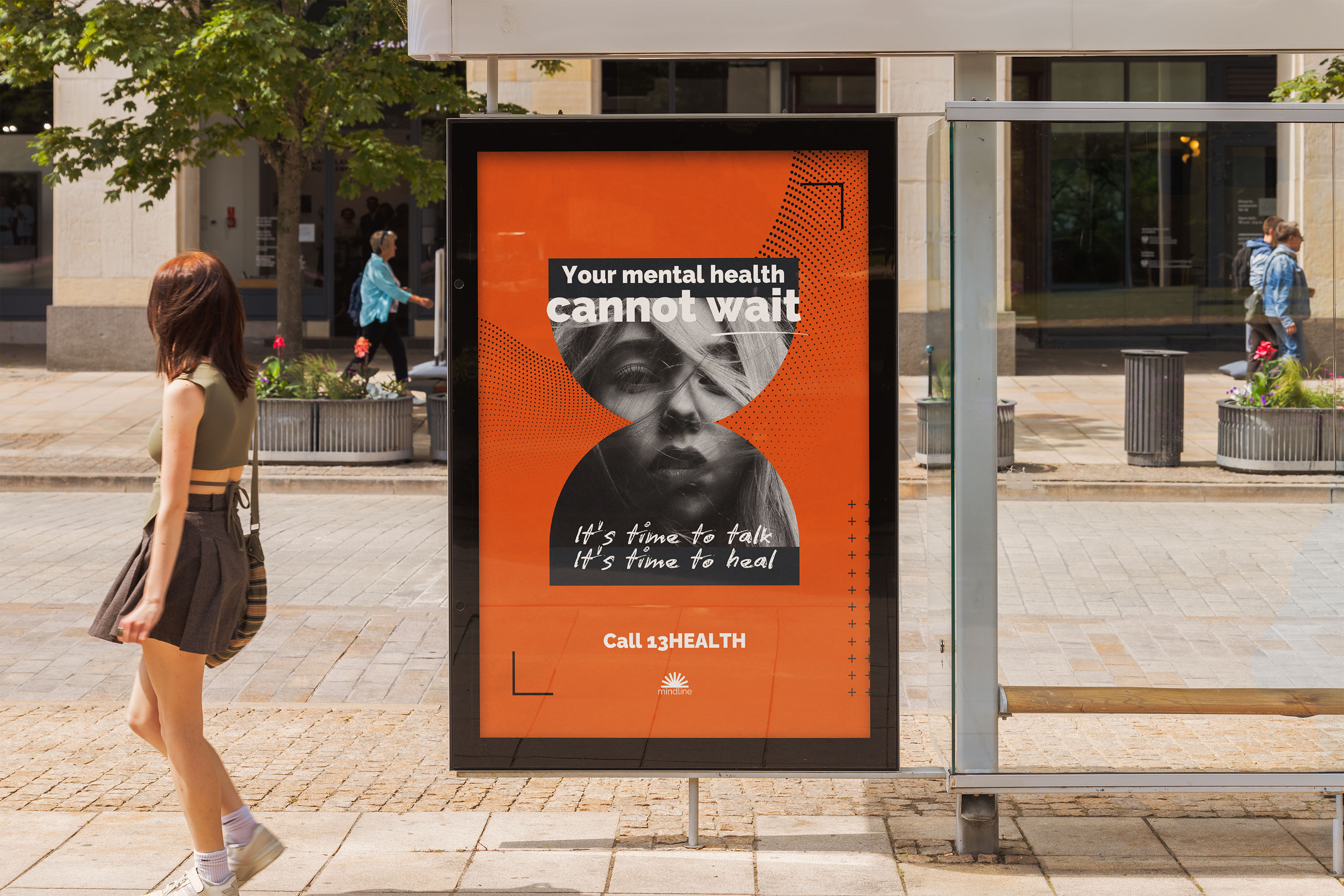
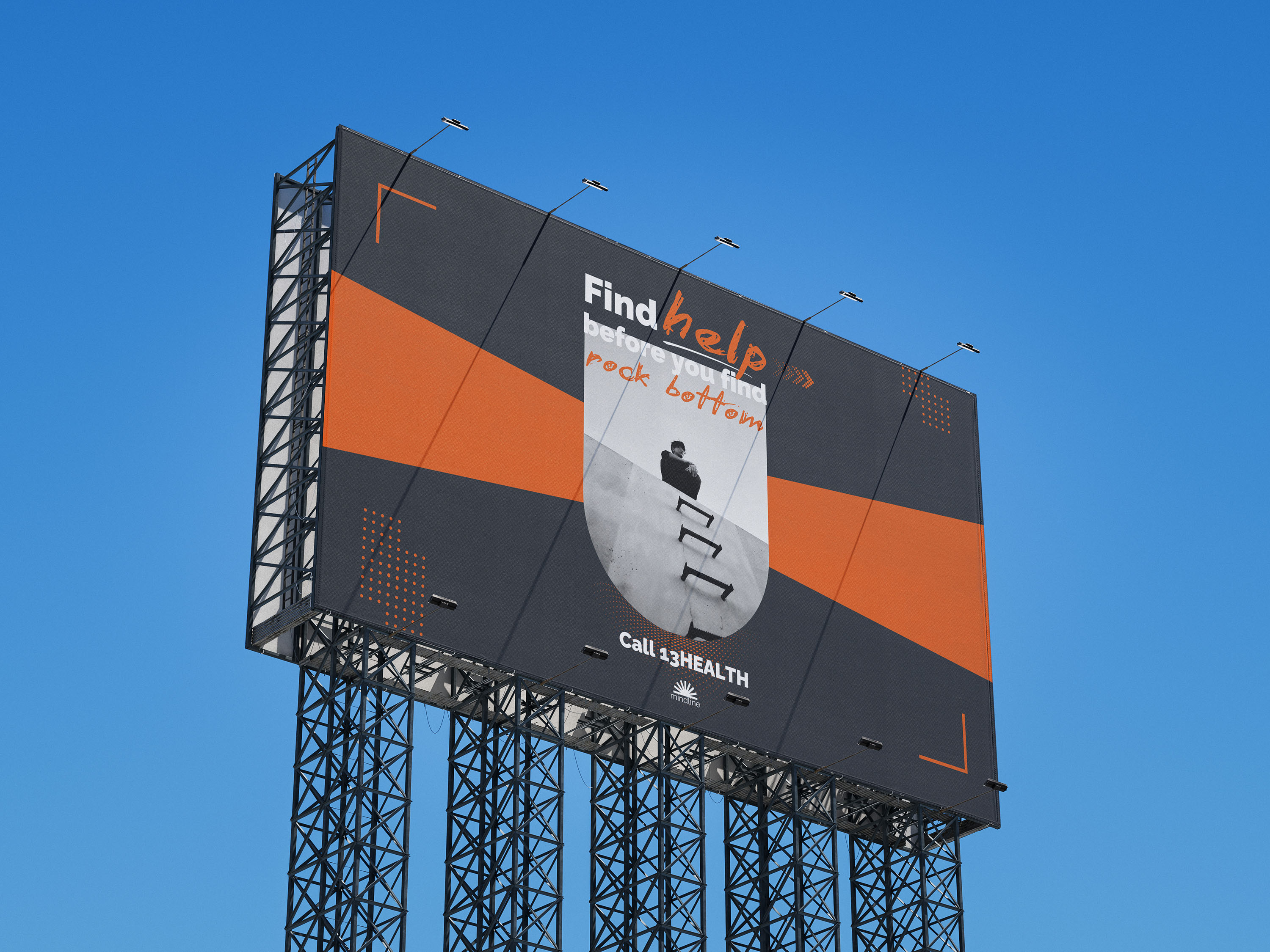
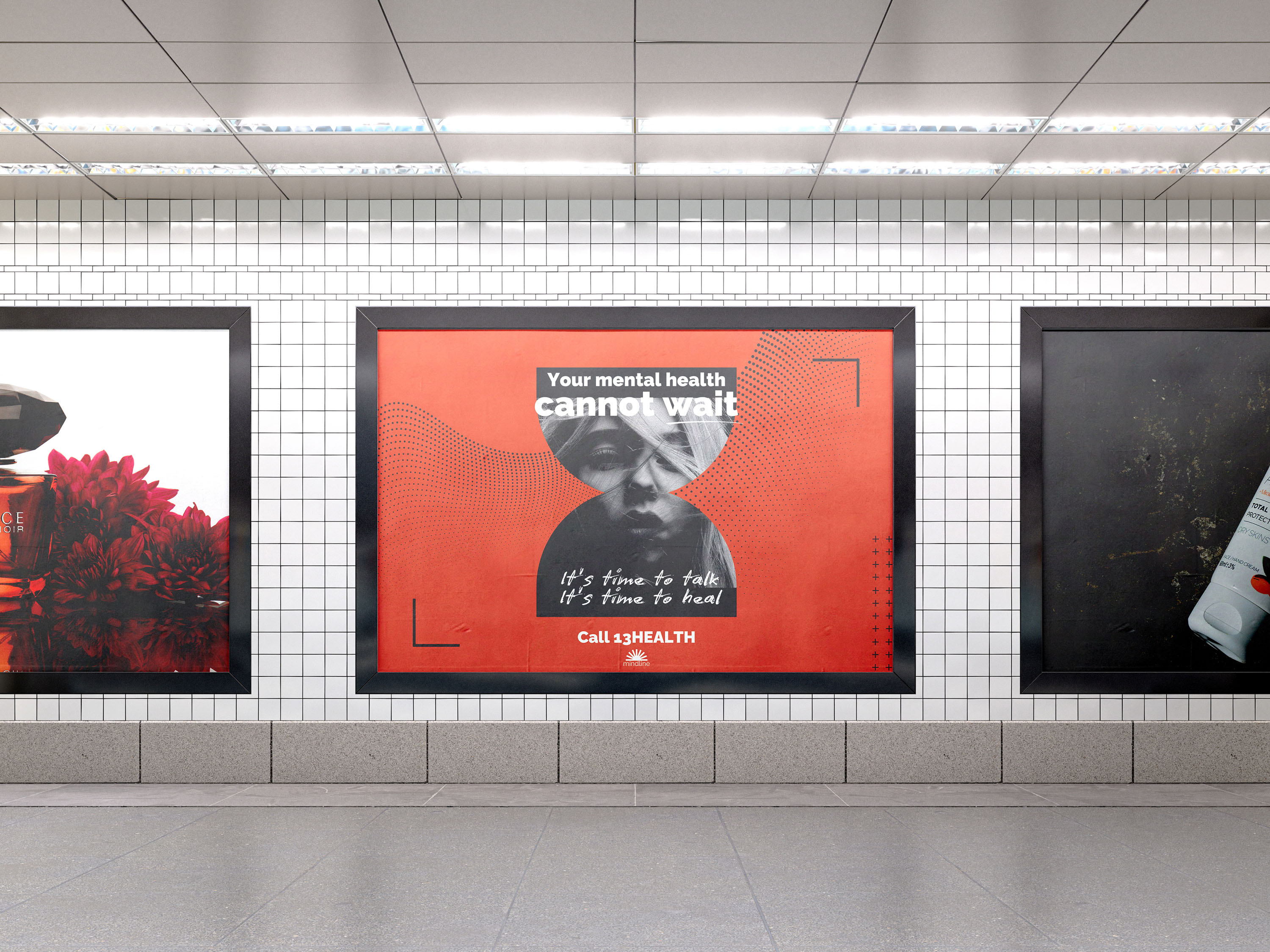
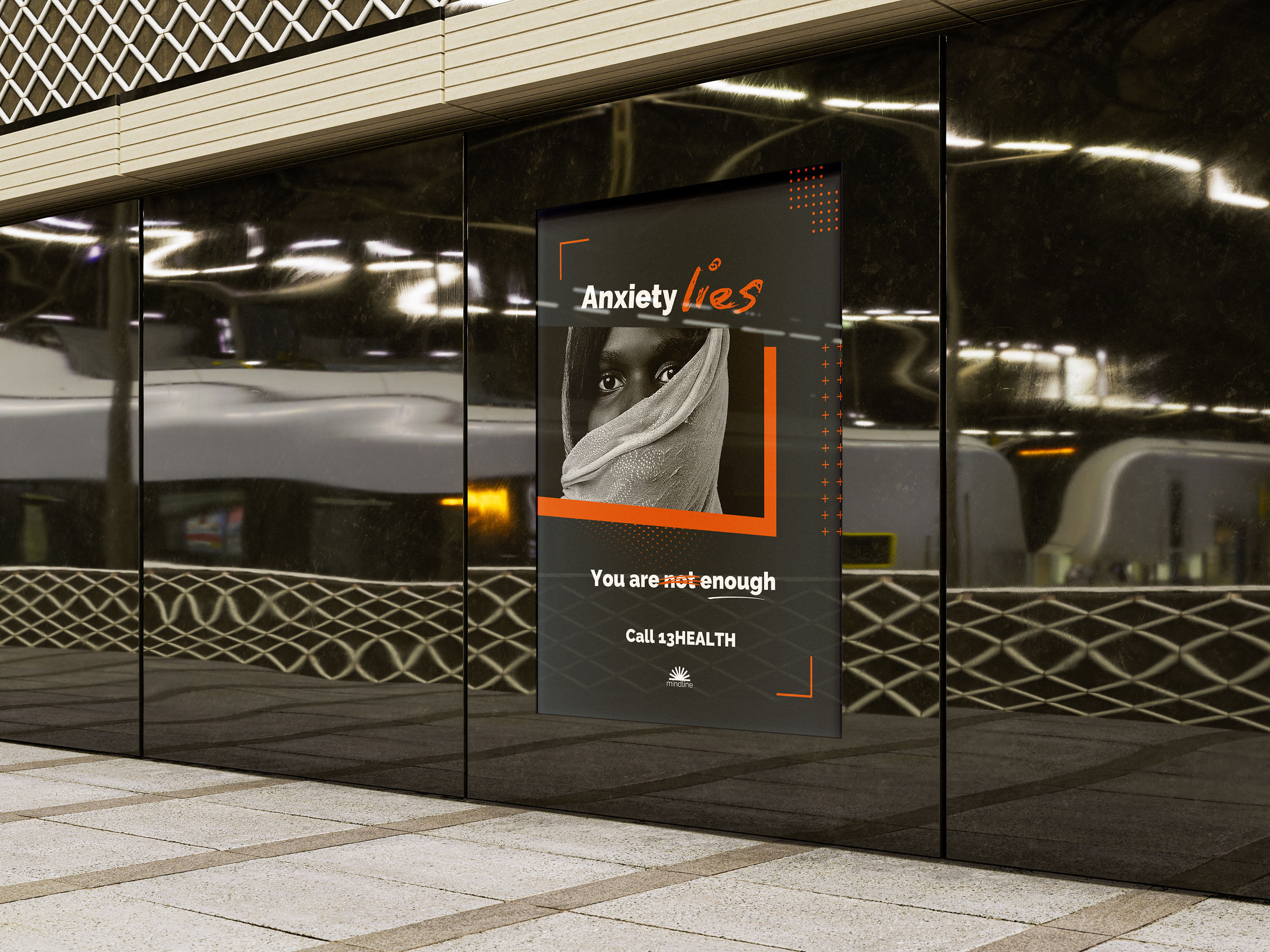
The social media adaptations carry the same visual weight into digital spaces, feeling like a genuine extension of the campaign rather than a resized version of it.
As a concept project, Mindline wasn't tested against a real audience — and that's the honest limitation. Mental health campaigns live or die on whether the people they're designed for actually feel seen by them, and that requires real research and ideally lived experience informing the creative direction.
The visual language is strong, but the next iteration would involve co-designing the messaging with mental health practitioners and people with lived experience, to make sure the impact matches the intention.